Posts

BLOG POST WEEK 6

Image
 Week 6 Blog Post In week 6 we learned the different parts of a plant and what they do.  We did a fun activity where we pollinated our flowers with dead bees.  I really enjoyed when we did the turtle activity and learned about all the negative and positive  effects natural factors and humans have on the lives of sea turtles.  In my future classroom I definitely want to read the book, "Turtle, turtle, Watch out!" 

Week 5 Blog Post

Image
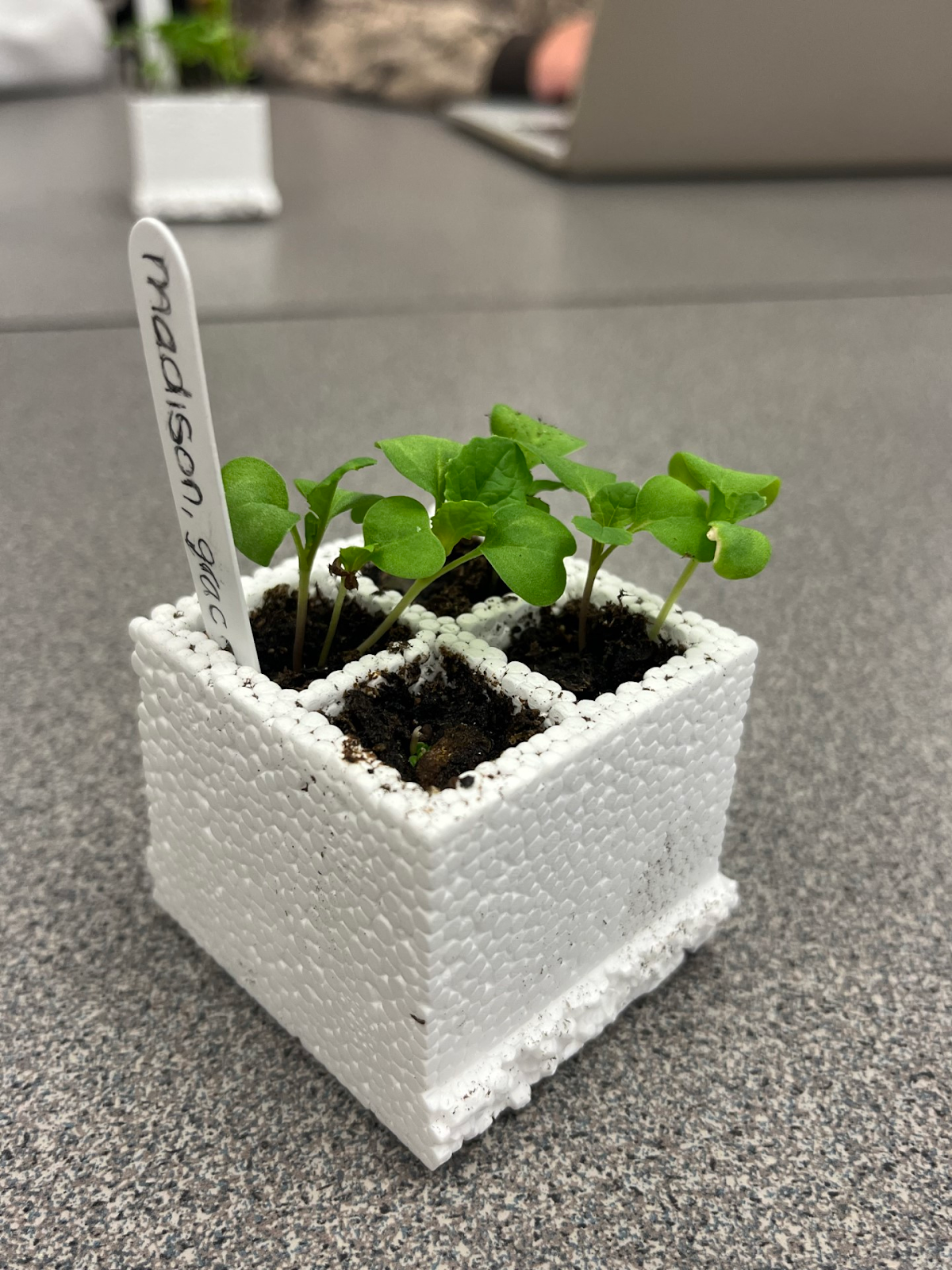
 Blog Post Week 5 Some questions that I still have that I am interested to learn more about is about the activity we did involving how different animals get their food or work together like the ant bridge, the whale hoops etc. I am interested to learn more about what other living things do that are simelar.  The entire class had the oppurtunity to make our own food chains based on different ecosystems. This was a very fun and engaging way of students working together to teach others about each ecosystem. I could see this being done as a project for my future classroom! This week we got to take a look at our fast plants and they are growing so well. Last week my partner and I noticed that there was a tiny sprout in the 4th spot that looked like it could grow, this week we noticed, it sadly has not. Although our plants are not as big or growing as well as others in out classroom it is important for us to know how great of an activity this is and how we can use it in our future c...

Week 4 Blog Post

Image
  This is the progress of our fast seed plants! They look so much bigger in just one week. We have one section that has not grown much but the other 3 have grown so much.  This week we leaned about the importance of 5e modeling and how it affects the teachers and students in positive ways.   These aspects of the 5e's will definitely be used in my classroom because of the great lengths it goes to in order for the best learning possible in science. Students can use these ideas to fully engage in science by using hands on skills.  Engage   Explore Explain Extend  Evaluate   

Week 3 Blog Post

Image
WEEK #3 BLOG POST This week we learned all about living things and life cycles. Life cycles of different plants and animals are highly important for all students to learn. There are many different strategies we can incorporate into our future classrooms that bring students to a fun and engaging environment to learn! Some of these ideas that we got to experience were planting our own seeds and using play- dough to show life cycles!                                                                 This week we focused on life cycles of living things! One thing we had the opportunity to plant our own plants! There were many parts to this. We had to have soil, fertilizer, seeds, water and light!                          ...

Week 2 Blog Post

Image
 WEEK TWO BLOG POST Grace Stutting What did you learn this week? This week we learned about living things.  We dissected seeds and found the seed coat, embryo, cotyledon.  These are the seeds cut open exposing the embryo and cotyledon.  We also learned the different characteristics of living things and how they funtion.  How can you apply what you've learned to your teaching in the future? We can use these in our future lesson plans because seeds are easy to use, they were easy to open and see the different parts of. We also can find new lesson plans like this because living things are all around us. We can hatch chicks, plants seeds and simply watch nature and how it changes over time.  What are new or remaining questions?  I would love to see lesson plans and how students are evaluated.  I would also like to see how quickly living things like plants change over time.  I am very excited to see our seeds next lab!

Week One Blog

  What did you learn this week? I was not able to attend class this first lab but as I looked through the syllabus and lab 1 presentation I became very excited for this course. I have never been the best at science but I have always wanted to be a teacher so learning in ways to teach science is very exciting. Of course, I knew science was within all we do in our everyday lives but it was so interesting to see just how important and used science is when we take a deeper look. I have always wondered by there is moisture on the outside of a can or drinking class but never understood why. It was with this powerpoint and my research that I figured this out. It is beyond interesting to know how the air around us holds moisture and the temperature of something like a cold soda are able to react to create water droplets.  Are you able to relate what you learned to what you already knew? I was able to relate the plunger information into my real life. I was once baby...